

CategoriesRemedial Massage/Myotherapy

Can Massage Help With Relieving Stress?

Can Massage Help With Relieving Stress?

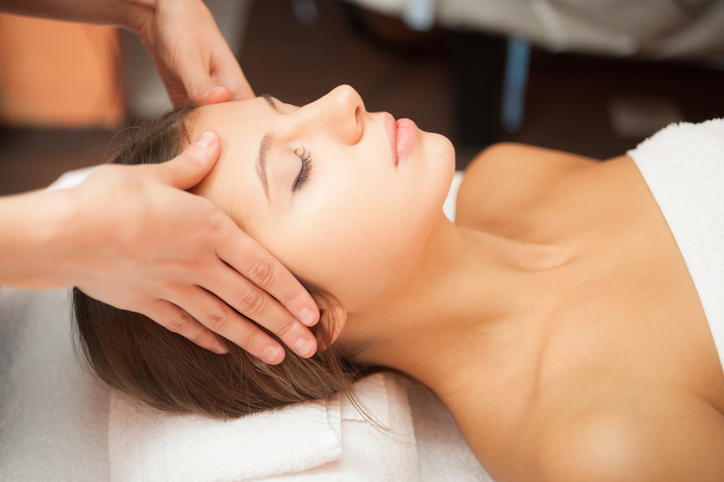
Today, most of our population lead a very busy lifestyle, which can lead to stressful times. In an ideal world, no one wants to be stressed, but sometimes events eventually catch up with us and it seems everything needs to be done at once which creates stress. Stress can be classified as physical, emotional, and mental. Each type of stress can have various effects on our bodies and wellbeing, so it is important to keep in check with mindful techniques such as meditation, yoga and even walking to assist during stressful periods. Some occupations are coined for their high-stress nature due to completing multiple tasks at a time for an extended period these include teachers, nurses, emergency services, office workers, and even students.

Is massage therapy effective?

Multiple studies have been conducted on the effects of massage therapy on students, patients under cardiac care, and high-stress occupations. All of these studies have all shown significant improvements in patient wellbeing from self-appointed stress and anxiety questionnaires, as well as a decrease in levels of cortisol (the stress hormone) and reduced heart rate/blood pressure with massage therapy.  

Many of these studies have shown the differences between massage therapy as compared to self-guided relaxation such as meditation tapes and standard care. With each study, massage therapy was concluded to have more significant results for stress and anxiety levels as compared to other forms of practice. The increase in effectiveness of massage therapy could be due to the effect on the neurological system that assists in relaxing the sensory receptors on the skin surface that connect to other areas of the body via neurons such as the muscles and in some cases organs. This helps to settle our ‘Flight or Flight’ response which increases our levels of cortisol and helps introduce our ‘rest and digest’ nervous system response as well as release endorphins. Other effects of massage include movement of blood flow and lymphatic fluid as well as providing heat and healing to the body which relaxes muscles tension and aids in tissue healing. 

If you are feeling constantly stressed, the effects of massage therapy in conjunction with a healthy lifestyle and adequate amount of exercises are the building blocks of leading a happier and overall healthier life. Call us today to book in 9836 1126.  

References
    • Zeitlin, D., Keller, S., Shiflett, S., Schleifer, S., & Bartlett, J. (2000). Immunological Effects of Massage Therapy during Academic Stress. Psychosomatic Medicine, 62(1), 83-84. 
    • Yousefi, H., Mirzamohamadi, M., & Nazari, F. (2015). The effect of massage therapy on occupational stress of Intensive Care Unit nurses. Iranian Journal of Nursing and Midwifery Research, 20(4), 508.  
    • Sharpe, P., Williams, H., Granner, M., & Hussey, J. (2007). A randomised study of the effects of massage therapy compared to guided relaxation on well-being and stress perception among older adults. Complementary Therapies in Medicine, 15(3), 157-163.  
    • Lawler, S., & Cameron, L. (2006). A randomized, controlled trial of massage therapy as a treatment for migraine. Annals of Behavioural Medicine, 32(1), 50-59.  
CategoriesMedical Condition

Ankle Sprains

Ankle Sprains

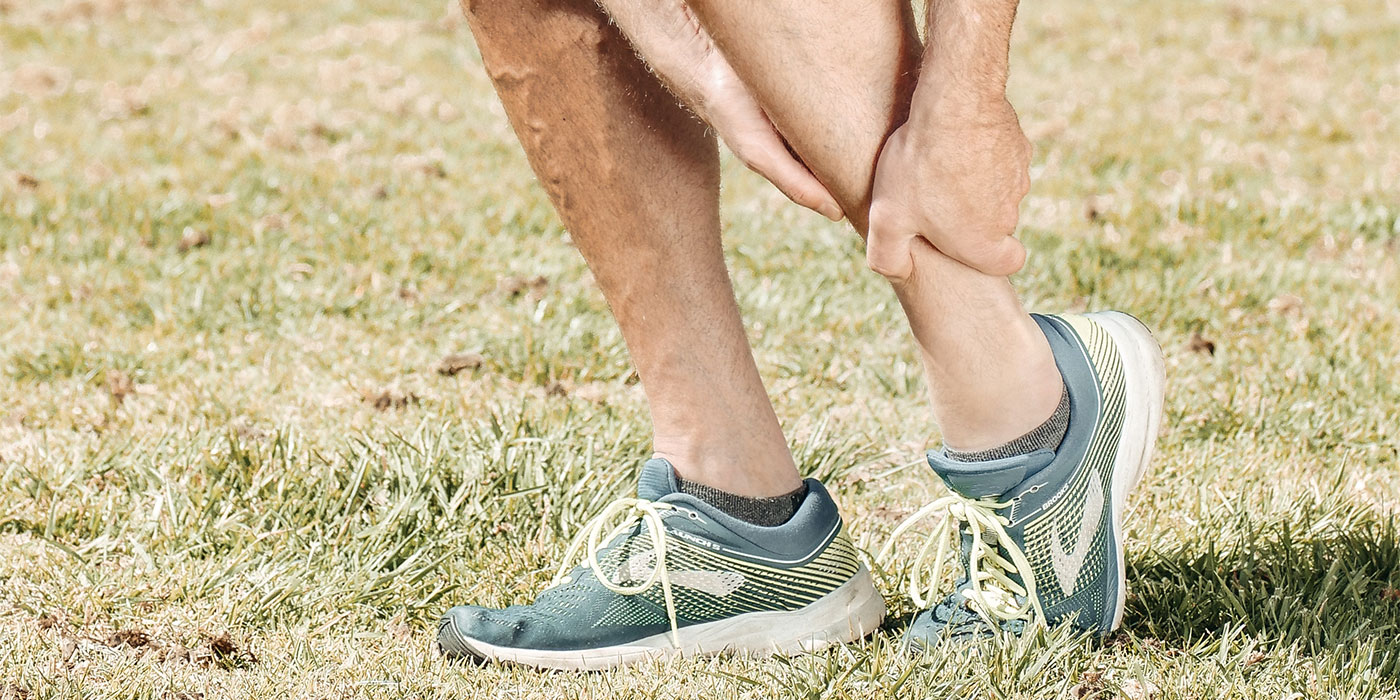
The most common type of ankle sprains people experience are inversion sprains, where the foot rolls inwards causing the outer ankle muscles and ligaments to be stressed. This can cause bruising along the outside of the ankle and occasionally bruising along the inside of the ankle. This blog highlights what to do following a sprain.  

Whilst spraining your ankle can be a debilitating injury, you can often recover within weeks of the injury by: 

    • Rest. Ice. Compression. Elevate. RICE can be used within the acute stages of the sprain, but RICE alone is not effective in treating ankle sprains.
    • If pain is too great, protecting the sprain may be warranted using support such as a crutch or an ankle brace.
    • Potentially taking paracetamol during the acute stages if the pain is not manageable (see a GP or your physio to determine whether paracetamol would be suitable for you)
    • Immobilization of the ankle is not recommended in mild to moderate sprains.


While the pain from the sprain may be gone, you may still unknowingly have some remaining deficits that are potential risk factors for you re-spraining your ankle again! Did you know that among people who have sprained their ankle for the first time, 61% of them will sprain their ankle again in the future. 2 The deficits that may predispose you to future sprains include: reduced range of motion of the ankle, decreased balance on that foot, and decreased proprioception (awareness of the ankle). 1  

Recurrent ankle sprains can lead to Chronic Ankle Instability (CAI) which is defined as “prolonged functional deficits and reports of instability following an acute ankle sprain.”3 Whilst CAI may sound scary, through appropriate physiotherapy management and rehabilitation it is possible to return a chronically unstable ankle to its pre-injury capacity. The research has found that by completing manual therapy, balance and functional strength training the road to recovery is much faster and the risk of spraining your ankle again is significantly reduced! 1 The physiotherapy management to expect at Elevate Physiotherapy & Pilates includes:  

    • Soft tissue mobilization and stretching to reduce pain and tightness and increase joint range of motion.
    • Balance training to reduce giving way sensations and re-injury risk.
    • Functional strengthening to reduce re-injury.

Our team at Elevate Physiotherapy & Pilates can comprehensively assess your ankle, screen for any red flags, and create an individualised program based on what your deficits and goals are! Why not give us a call and chat to one of our physiotherapists.  

References  
  1. Vuurberg, G., Hoorntje, A., Wink, L. M., Van Der Doelen, B. F., Van Den Bekerom, M. P., Dekker, R., … & Kerkhoffs, G. M. (2018). Diagnosis, treatment and prevention of ankle sprains: update of an evidence-based clinical guideline. British journal of sports medicine, 52(15), 956-956. 
  2. Doherty, C., Bleakley, C., Delahunt, E., & Holden, S. (2017). Treatment and prevention of acute and recurrent ankle sprain: an overview of systematic reviews with meta-analysis. British journal of sports medicine, 51(2), 113-125. 
  3. Madsen LP, Hall EA, Docherty CL. Assessing outcomes in people with chronic ankle instability: The ability of functional performance tests to measure deficits in physical function and perceived instability. Journal of Orthopaedic & Sports Physical Therapy. 2018;48(5):372-380. Kosik KB, McCann RS, Terada M, Gribble PA. Therapeutic interventions for improving self-reported function in patients with chronic ankle instability: a systematic review. British journal of sports medicine. 2017;51(2):105-112. 
CategoriesMedical Condition

Do you have Fungal Nails?

Do you have Fungal Nails?

What is a fungal infection of the toenails?

Fungal nail infection also known as Onychomycosis can occur when a fungus (Trichophyton Rubrum) infects the nail plate or the skin underneath the nail plate. Onychomycosis can affect people of all ages and activity levels. It is a condition that is generally pain free but can cause physical pain and discomfort if it progresses and is not well managed.

Changes that occur with fungal toenails

These are some characteristic changes that occur in the nail when infected with fungus

  • Discolouration of nail (White, yellow, brown)
  • Nail can become thickened, crumbly and brittle
  • Distorted nail
  • Lack of shine
  • Malodourous
  • Pain on direct pressure and on tips of toes
  • Irregular growth, slow growth of nail
  • Separation of the nail front he nail bed


How did I get a fungal nail infection?

Fungi breed in wet environments such as pools, and showers. Many people tend to contract toenail fungus from the following

  • Nail salons where instruments used may have not been sterilised
  • Not wearing protective footwear in communal areas
  • Nail damage or trauma which causes separation of the nail plate from the nail bed
  • Ill fitting footwear creating stress to nail
  • People with feet that sweat often are also at a greater risk of developing fungal infections of the nail and skin

Who is at more risk of developing fungal nails?

  • Men are generally more likely to get it than women
  • Increased age
  • Weak immune system
  • Underlying chronic diseases e.g. diabetes, circulatory problems
  • Smoker
  • Spending lots of time at the pool/in the water

How are fungal toenails diagnosed?

Nail fungus infections are easily diagnosed clinically by our podiatrist. We can easily spot the difference between a damaged nail and one that has been infected with nail fungus. If there is any doubt, we are able to take a clipping of the infected nail to be taken for culture.

Treatment

There are several treatments for fungal nail infections. Oral and topical antifungals tend to be the first line of treatment. Topical antifungals are an easy, accessible and a non-invasive approach in managing and treating fungal nail infections. Along with applying topical antifungals, it is important to address your environmental factors that could be contributing to the growth of the fungus. These could include alternating footwear, socks with antimicrobial technology, keeping up with good foot hygiene and wearing protective footwear in communal spaces. In addition to antifungal medication and addressing your environmental factors, it is important to manage the way the infected toenail grows. Your podiatrist will help to reduce the length of the nail, ensure that it has regular edges, reduce the thickness of the nail and smoothing the surface to better assist in absorption of the topical antifungals and by reducing the thickness of the nail, it will help to reduce the pressure to the area.

© Elevate Physio & Pilates Balwyn. All Rights Reserved.

Privacy Policy|
Terms & Conditions